How to Source Brown Paper for Your Business Needs?
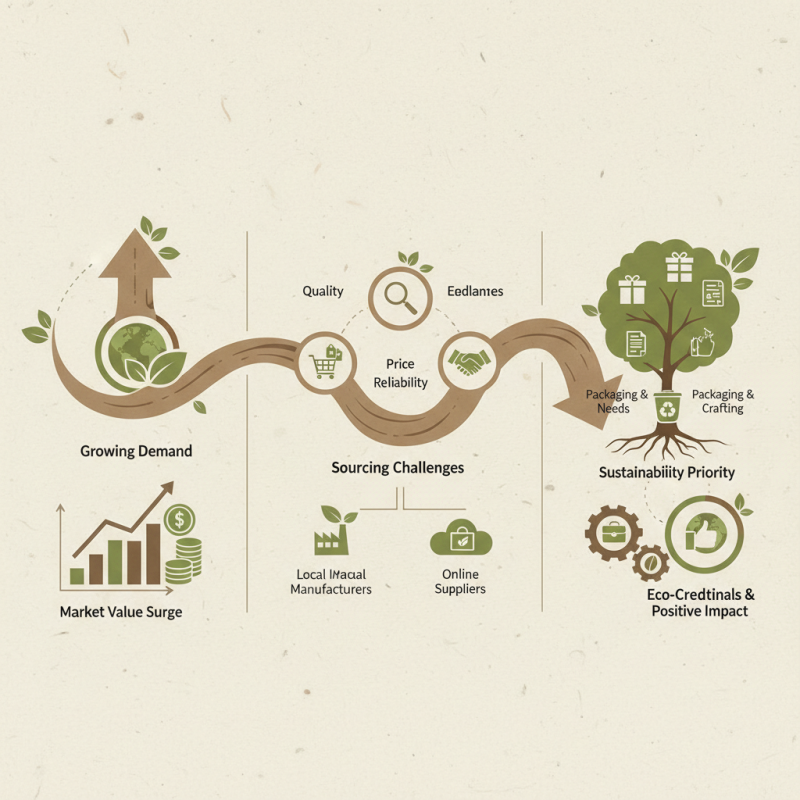
In recent years, the demand for sustainable packaging solutions has surged. According to a report by Grand View Research, the global Brown Paper market is expected to reach USD 5.4 billion by 2027. This growth highlights the rising interest in eco-friendly materials. Brown paper, made from recycled fibers, serves multiple business needs from packaging to crafting.
Businesses are increasingly seeking reliable sources of brown paper. However, sourcing can be challenging. Factors such as quality, price, and supplier reliability must be considered. It's crucial to evaluate various options, including local manufacturers and online suppliers. Not every supplier guarantees high standards.
Additionally, some businesses overlook the importance of sustainability in their sourcing choices. This can lead to a mismatch between brand values and materials used. By prioritizing brown paper, businesses can enhance their eco-credentials while meeting operational needs. Exploring all sourcing avenues can lead to better decisions and positive impacts on both the market and the environment.
Understanding Types of Brown Paper and Their Common Uses in Industries
Understanding the types of brown paper is essential for various industries. Brown paper comes in various grades and thicknesses, each suited for specific applications. For example, kraft paper, known for its strength, is commonly used in packaging. Its durability makes it ideal for shipping and storing goods. In contrast, lighter grades are often used for wrapping gifts or as disposable table covers.
Another common type is butcher paper. This type is typically used in food-related businesses. It is often employed for wrapping meat and fish, allowing for breathability while preventing moisture loss. Additionally, sometimes businesses use recycled brown paper for eco-friendly packaging solutions. This not only promotes sustainability but also appeals to environmentally-conscious consumers.
Sourcing the right type can be challenging. Not all suppliers provide the same quality or consistency. It’s crucial for businesses to establish trustworthy relationships with suppliers. Testing samples from different vendors may be necessary to ensure reliability. Doing so helps mitigate risks associated with material failure. Ultimately, understanding the unique attributes of brown paper types enables better decision-making.
Evaluating the Environmental Impact of Sourcing Brown Paper Products
Sourcing brown paper products requires a close look at their environmental impact. Many businesses believe that brown paper is more eco-friendly than other options. However, the reality is more complex. The production process can consume significant resources and generate waste. It’s essential to research sourcing methods that minimize these effects.
Recycling plays a crucial role in reducing the environmental footprint. Using recycled fibers for brown paper products can lower deforestation rates. This practice conserves energy and reduces greenhouse gas emissions. However, not all recycled paper meets high-quality standards. Understanding these trade-offs is vital when making sourcing decisions.
Local sourcing can reduce transportation emissions, but it comes with its challenges. Local suppliers might not always have the capacity to meet demand. Striking a balance between quality, cost, and environmental responsibility can be difficult. As businesses navigate these nuances, they must remain mindful of the broader ecological impact of their choices. Balancing these factors requires reflection and continuous evaluation.
Key Suppliers and Manufacturers of Brown Paper in the Market
Sourcing brown paper for your business often starts with understanding key suppliers and manufacturers. The global brown paper market was valued at approximately $8 billion in 2022. This figure reflects a growing demand driven by eco-friendly packaging trends. Paper manufacturers are expanding production lines to meet this need.
Leading suppliers often focus on sustainable practices. Many produce brown paper from recycled materials, which appeals to environmentally conscious businesses. A report from Market Research Future indicates that the demand for brown paper could grow by 4% annually through 2025. However, identifying reliable suppliers can be challenging, as variations in quality exist.
In addition to large manufacturers, consider regional suppliers. They may offer more personalized services and lower shipping costs. Small-scale producers can sometimes provide unique grades of brown paper that larger ones do not. Engage with suppliers to evaluate their production methods. Questions about sourcing, sustainability, and quality control are essential. This responsiveness can help mitigate concerns about product reliability and consistency.
Strategies for Cost-Effective Sourcing of Brown Paper for Businesses
Sourcing brown paper for business needs can be a strategic task. It’s essential to adopt cost-effective methods. A recent industry report indicates that paper costs have risen by 5% annually over the past three years. Understanding your sourcing options can help mitigate these costs.
Consider local sourcing first. Local suppliers can reduce shipping costs. Additionally, shorter lead times can boost efficiency. Wholesalers often provide bulk discounts, which can lower expenses significantly. Research shows companies that buy in bulk save up to 20%. However, always assess the quality of paper. An overly cheap option may lead to quality issues in your products.
Here are some tips: Use online marketplaces to compare prices and suppliers. Join industry forums to learn from peers about their sourcing experiences. Networking can yield valuable insights and lead to better deals. Always have a backup supplier. Relying on a single source can be risky, especially during price fluctuations.
Lastly, consider sustainability. Eco-friendly papers are gaining traction. They can enhance your brand's image while appealing to a conscious consumer market. The push for green products often leads to competitive pricing. Balancing cost and quality requires careful planning and reflection, but it pays off in the long run.
Cost-Effective Sourcing of Brown Paper - Monthly Purchase Volume
Navigating Regulations and Certifications for Sustainable Brown Paper Sourcing
Sourcing sustainable brown paper involves understanding various regulations and certifications. Many businesses overlook these crucial standards when selecting suppliers. Familiarize yourself with certifications such as FSC or PEFC. These ensure that the paper comes from responsibly managed forests. Such knowledge is essential for your supply chain integrity.
Environmental regulations can vary greatly by region. It’s vital to stay updated on local and international laws. Ignoring these can lead to costly penalties. Not all suppliers will understand this landscape, so diligence is necessary. Challenge your potential partners on their compliance. Request transparency in their sourcing practices.
Building relationships with certified suppliers enhances your credibility. Trustworthy partnerships lead to better quality materials and innovations. Stay curious and keep refining your sourcing strategies. Reflect on your current practices. Is your choice of suppliers genuinely sustainable? Engaging in continuous learning can create more responsible sourcing decisions.