What is PVC Tarpaulin and its Uses in Everyday Life?
PVC Tarpaulin is a versatile material widely used in various applications. Its durability and water-resistant properties make it ideal for outdoor use. Many people encounter PVC Tarpaulin daily, often without realizing it.
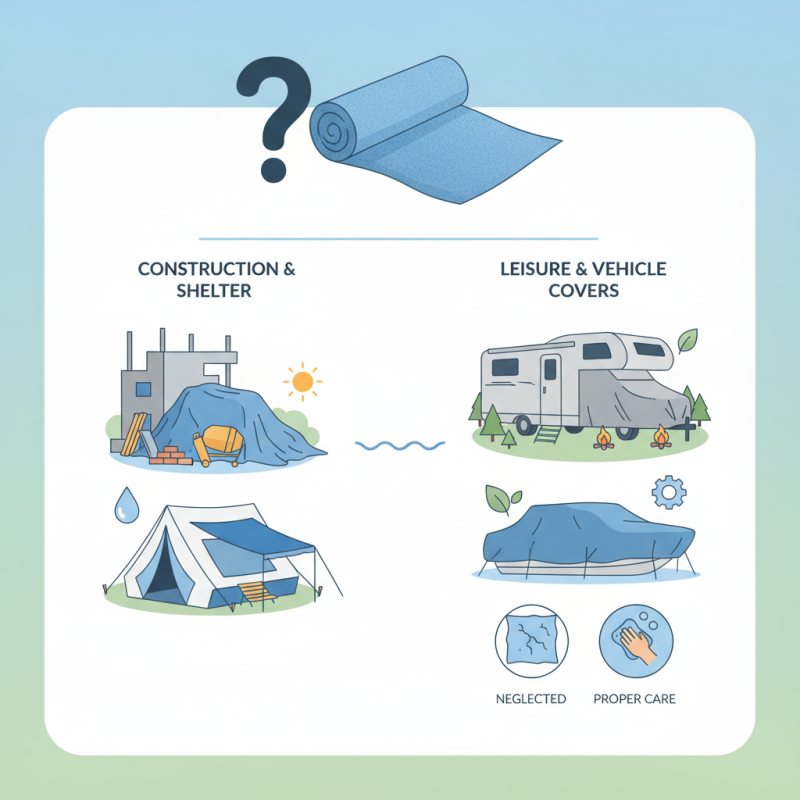
In construction, PVC Tarpaulin serves as a protective covering. It shields materials from rain and sun. This prevents damage and maintains the quality of the items stored beneath. People often use it for tents and awnings too. It provides shelter during events and serves as a windbreak.
Beyond construction, PVC Tarpaulin finds its way into leisure activities. Many recreational vehicles feature PVC Tarpaulin for covers. This keeps interiors dry and safe from pests. However, some users might overlook proper maintenance. Over time, neglect can lead to fading and wear. Awareness of these aspects could enhance its longevity. Recognizing the importance of proper care is essential for maximizing the benefits of PVC Tarpaulin.
What is PVC Tarpaulin?
PVC tarpaulin is a versatile material made from polyvinyl chloride. It is known for its durability and waterproof characteristics. Many people encounter PVC tarpaulin in their daily lives, often without realizing it. It is commonly used in tents, awnings, and even truck covers.
One of the appealing features of PVC tarpaulin is its resistance to harsh weather. It can withstand rain, snow, and strong winds. This makes it an ideal choice for outdoor activities. However, in some situations, its heavy weight can be a disadvantage. Setting up large tarps can become a labor-intensive task.
Additionally, PVC tarpaulin is easy to clean, often requiring only a simple wipe-down. This is beneficial for those who use it for camping or outdoor events. Nevertheless, the reliance on PVC may raise environmental concerns. Finding sustainable alternatives remains a challenge. Balancing utility and environmental impact is essential in today's world.
Uses of PVC Tarpaulin in Everyday Life
Composition and Properties of PVC Tarpaulin
PVC tarpaulin is a versatile material often used in various applications. It's made from polyvinyl chloride, making it a durable option for outdoor use. This material is known for its waterproof and UV-resistant properties. It can withstand harsh weather conditions, providing a reliable barrier against rain and sunlight. Its strength makes it ideal for covering equipment and supplies outdoors.
In everyday life, PVC tarpaulin serves many purposes. It is commonly used in tents, truck covers, and outdoor banners. The material is easy to clean, allowing for quick maintenance when it gets dirty. It can also be customized into different colors and sizes. However, the production process can be an environmental concern. The PVC itself can release harmful substances if not disposed of properly. This point raises important questions regarding sustainable practices in the industry.
In practical terms, PVC tarpaulin may fade over time from sun exposure. It sometimes shows wear in high-stress areas. Those using it must consider how often they need to replace their tarpaulin. While it is effective, one must remain aware of its limitations. Balancing durability with environmental impact is crucial for responsible use.
Common Applications of PVC Tarpaulin in Daily Life
PVC tarpaulin is a versatile material widely used in daily life. Its durability and waterproof nature make it ideal for various applications. One common use is in outdoor equipment covers. Whether for boats, grills, or garden furniture, PVC tarpaulin provides protection from the elements. Many people overlook the importance of proper covering. They leave items exposed, leading to weather damage.
Another frequent application of PVC tarpaulin is in construction sites. It is often used as protective sheeting or barriers. By helping to contain dust and debris, it enhances safety. However, some may not realize the impact of using cheaper alternatives. This can lead to quick wear and compromises on safety. Quality matters when it comes to tarps, especially in demanding environments.
In everyday life, PVC tarpaulin is also found in promotional banners and signage. Its bright colors attract attention, making it perfect for advertising. Businesses often choose this material for outdoor events. But, there’s a choice to be made here. Not all tarpaulins are created equal, and weather resistance can vary. Long-term exposure may fade colors and weaken the fabric. Careful selection is essential for effectiveness.
Advantages of Using PVC Tarpaulin Over Other Materials
PVC tarpaulin is a remarkably versatile material that offers numerous advantages over traditional fabrics. Its durability is one of the most significant benefits. Research shows that PVC tarpaulin can last up to five times longer than cotton tarps. This longevity makes it a cost-effective choice for many applications. For instance, it is frequently used in outdoor covers, tents, and truck tarps.
One of the key advantages of PVC tarpaulin is its water resistance. Unlike porous fabrics, PVC tarpaulin keeps contents dry, making it essential for transporting goods. Its UV resistance also protects against sun damage, prolonging its life. A study indicated that UV exposure can degrade other materials within months, while PVC remains intact and functional for years.
Tip: Always check the thickness of the PVC tarpaulin. Thicker materials offer better protection but may be harder to handle.
Another benefit is its ease of maintenance. Simply wipe it down with a damp cloth to remove dirt. This simplicity is not always true for other materials, which can require complex care routines. Yet, some users find PVC's stiffness challenging for certain applications. A balance must be struck between durability and flexibility for specific uses.
Tip: Consider your specific needs before choosing PVC. It excels in tough conditions but may not be ideal for every project.
What is PVC Tarpaulin and its Uses in Everyday Life? - Advantages of Using PVC Tarpaulin Over Other Materials
| Feature | PVC Tarpaulin | Other Materials |
| Durability | High durability, can last for many years | Moderate to low durability, may degrade quickly |
| Water Resistance | Completely waterproof | Varies by material; many are not waterproof |
| Weight | Lightweight | Can be heavier depending on material |
| Cost | Cost-effective compared to durability | Often cheaper but less durable |
| Uses | Covers, tents, banners, and truck tarps | Varies widely, not specialized |
| Color Options | Wide range of colors available | Limited colors |
Maintenance and Care Tips for PVC Tarpaulin Products
PVC tarpaulin is a versatile material found in various applications. Its durability and waterproof properties make it ideal for outdoor use. However, proper maintenance is key to its longevity.
To care for PVC tarpaulin products, keep them clean. Dirt and debris can lead to wear over time. Use mild soap and water for cleaning. Avoid harsh chemicals. Additionally, store tarpaulin in a cool, dry place. This prevents mold growth and extends its life.
Tip: Regularly inspect your tarpaulin for rips or tears. Early repairs can avoid bigger issues. Most reports suggest that proactive care can enhance product life by up to 30%.
Another important aspect is exposure. Prolonged sunlight can cause fading and degrading. If possible, keep tarpaulin shaded. Replace damaged sections promptly to maintain functionality.
Tip: On average, a well-maintained PVC tarpaulin can last 5-10 years. Regular upkeep practices can significantly contribute to this lifespan. Taking these steps ensures that your tarpaulin remains effective and durable.