Why Should You Invest in a Label Printer for Your Business?
In today’s fast-paced business environment, investing in a label printer can significantly enhance operational efficiency. According to Mark Jenkins, a leading expert in print solutions, “A reliable label printer simplifies processes and elevates branding.” His insight sheds light on the critical role label printers play.
Businesses often face challenges with labeling, whether it’s for products, shipping, or inventory management. A high-quality label printer addresses these issues directly. It produces crisp, professional labels quickly, reducing errors and saving time. Many companies have realized the importance of labeling consistency. Hence, a label printer becomes vital for maintaining brand identity.
However, the decision to invest is not without reflection. Some may question the initial costs or the learning curve for staff. It’s essential to evaluate the long-term benefits against these concerns. Ultimately, a well-chosen label printer can transform operations, enhance efficiency, and elevate product presentation. Investing wisely pays off in the long run.
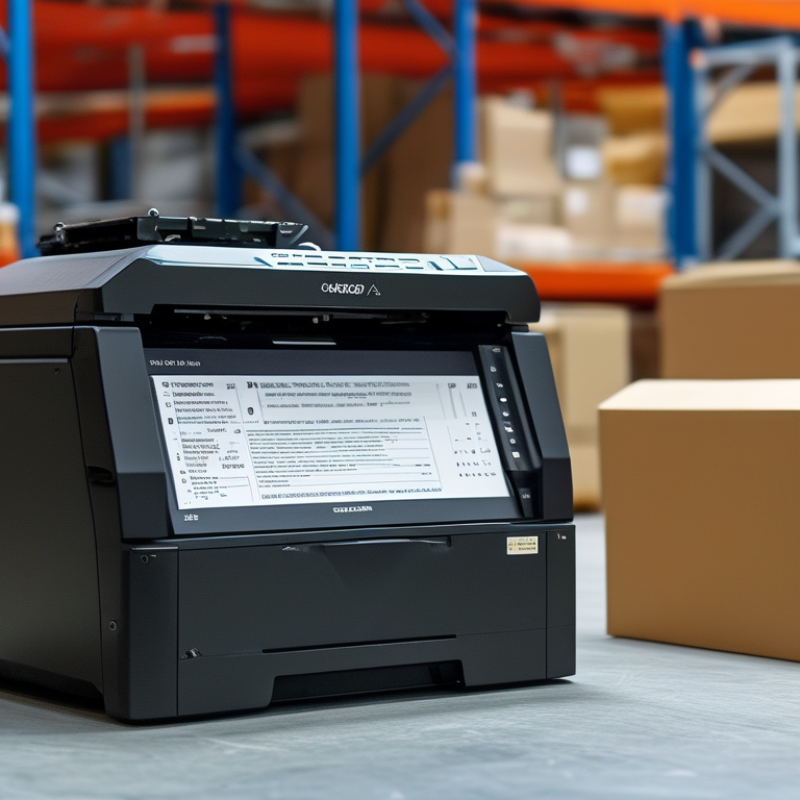
Benefits of Label Printers: Enhancing Efficiency in Business Operations
In today’s fast-paced business environment, label printers have become essential tools.
They streamline operations and enhance efficiency. Without effective labeling, managing inventory or shipping can be overwhelming.
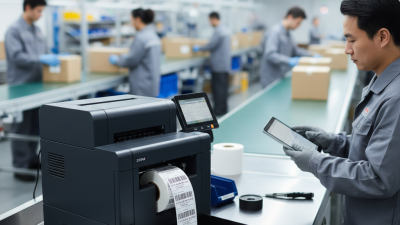
Clear labels reduce confusion in warehouses, ensuring that products are easy to identify. A well-organized space creates a better workflow for employees.
Label printers also save valuable time. Instead of handwriting or using generic labels, businesses can print specific details on-demand.
This reduces errors and speeds up the labeling process. Consistent and professional labels improve branding as well.
They help create a cohesive image for your products, making a lasting impression on customers.
However, investing in a label printer is not without challenges. The initial cost may seem high, especially for smaller businesses.
There is also a learning curve involved with some advanced models. Companies must consider their unique needs before purchasing.
Balancing efficiency with budget constraints can lead to tough decisions. Still, the long-term benefits of reduced errors and improved organization often outweigh these initial hurdles.
Cost Savings: Analyzing Long-term Financial Benefits of Label Printing
Investing in a label printer can lead to significant cost savings for businesses. Over time, purchasing pre-printed labels can add up. You pay for design, printing, and shipping. Each step incurs costs that a label printer can eliminate. By printing your own labels in-house, you can control expenses directly and reduce waste associated with unused labels.
Moreover, having a label printer boosts efficiency. Your team can produce labels as needed. This flexibility helps in managing stock levels and seasonal changes. You can adjust labels based on current inventory. It's a detail that many overlook but can save money in the long run.
However, there's an initial investment in label printing equipment. Businesses must weigh this against potential savings. An underused printer may not justify the costs. It's crucial to assess your labeling needs before making a decision. Rethinking your labeling strategy can reveal hidden savings in operations and improve overall business efficiency.
Improving Branding: How Custom Labels Elevate Your Product Image
Custom labels can significantly enhance your product's image, leading to increased brand loyalty and sales. A study by the Label Manufacturers Association indicates that products with custom labels can improve perceived value by 30%. This perception shift can be crucial in a competitive market, where consumers often base their choices on packaging. With a label printer, businesses can create unique designs that showcase their brand identity. Personalization in labeling can enhance emotional connections between customers and products.
Investing in a label printer allows for flexibility. You can quickly adjust designs to reflect seasonal themes or promotional campaigns. The capability to print small batches means you can test new labels without significant financial risk. In a survey conducted by the National Association of Manufacturers, 50% of respondents noted that visual appeal directly correlates with customer purchasing decisions. This statistic underscores the importance of effective branding through custom labels.
Tip: Consider using vibrant colors and quality materials for your labels. These elements can attract attention and make your products stand out. Test different designs to see which resonates most with your audience. It may take some experimentation to find the perfect fit for your brand. Remember, effective branding is an ongoing process, and refining your labels can lead to better results over time.
Data Accuracy: The Impact of Automated Labeling on Inventory Management
Investing in a label printer can significantly enhance data accuracy in inventory management. According to a report by the National Retail Federation, inaccurate inventory data leads to loss rates of about 20% annually for many retailers. Automated labeling systems can help minimize these discrepancies. By printing labels on demand, businesses ensure that their inventory is accurately represented and easily trackable.
Implementing automated labeling can result in remarkable efficiency gains. A study published by the Global Supply Chain Council found that companies using automated labeling saw a 30% reduction in errors when processing inventory. This precision helps businesses reduce costly misplacements and stockouts. However, it’s vital to acknowledge that not all businesses will experience the same outcomes. Some may face initial challenges with system adjustments or labeling processes.
Moreover, integrating label printers necessitates training and infrastructure changes. The International Journal of Logistics Management highlights that firms often underestimate the time and resources required for successful implementation. Businesses should prepare to invest in staff training and possibly revamping existing workflows. This indicates the importance of careful planning and execution for success in automated labeling initiatives.
Why Should You Invest in a Label Printer for Your Business?
| Inventory Item |
SKU |
Quantity on Hand |
Last Updated |
Accuracy (%) |
| Wireless Mouse |
WM-1001 |
150 |
2023-10-01 |
98 |
| Bluetooth Speaker |
BS-2022 |
90 |
2023-10-05 |
97 |
| HD Webcam |
WC-3030 |
60 |
2023-10-10 |
95 |
| USB-C Hub |
HB-4041 |
120 |
2023-10-15 |
99 |
| Mechanical Keyboard |
MK-5055 |
75 |
2023-10-20 |
96 |
Industry Trends: The Growing Demand for Label Printers in Various Sectors
The demand for label printers is rapidly increasing across various sectors. Businesses are recognizing the value of efficient labeling solutions. From retail to manufacturing, the need for clear and attractive labels is essential. A well-printed label enhances brand visibility and fosters customer trust. As consumers prioritize packaging aesthetics, investing in a quality label printer becomes a strategic move.
Tips: Focus on your unique requirements when choosing a label printer. Consider aspects like print speed and quality. Evaluate your business size to select an appropriate option.
The growing trend toward sustainability also affects labeling. Many businesses seek eco-friendly materials and printing options. This shift highlights the need for printers that cater to environmentally conscious practices. Companies must adapt to consumer expectations while maintaining quality.
Tips: Stay updated on the latest trends in materials. Recycling and sustainability in packaging can improve your business image. Assess the long-term benefits of eco-friendly labels.
Label printers not only simplify organization but can also offer creative opportunities. Companies can experiment with different designs and materials. However, rushing into a purchase may lead to regret. Reflect on your long-term labeling strategies before investing. A thoughtful approach can yield significant returns over time.