Why Use Custom Labels for Your Products to Boost Sales?
In today’s competitive market, the importance of effective branding cannot be overstated. Custom labels play a crucial role in this process. According to branding expert Dr. Emily Johnson, "Custom labels are not just a design element; they are a storytelling tool." This insight reveals how custom labels can transform ordinary products into compelling narratives.
The visual appeal of custom labels can capture a customer's attention instantly. A well-designed label can communicate vital information, enhance brand recognition, and establish trust. Imagine a product sitting on a shelf. Without custom labels, it blends into the background. With them, it stands out and draws consumers in.
However, some brands overlook this powerful marketing tool. They may opt for standard labeling to save costs, risking their sales potential. This approach often leads to missed opportunities. Custom labels, when done right, offer more than just aesthetics; they elevate the consumer experience. Brands should reflect on their current labeling strategies and consider how custom labels can redefine their market presence.
Understanding the Concept of Custom Labels in Product Marketing
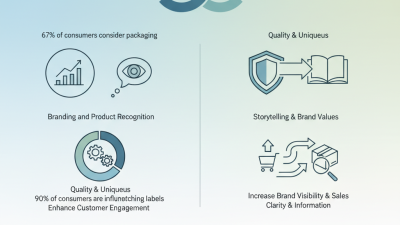
Custom labels in product marketing refer to unique branding elements that distinguish products in a competitive market. These labels often embody a brand's identity and help communicate product features effectively. According to a study by Nielsen, 64% of consumers are more likely to buy products from brands that exhibit a clear identity. Custom labels can enhance the aesthetic appeal of packaging, making products more appealing on store shelves.
Incorporating key information on labels can significantly impact purchasing decisions. Research indicates that 81% of shoppers check labels for sustainable or ethical sourcing. This trend suggests that clear messaging on custom labels can resonate with consumers who prioritize conscious consumption. A well-designed label also aids in storytelling, connecting consumers emotionally to the brand.
Here are some tips for creating effective custom labels:
1. Use bold colors to capture attention.
2. Limit text to essential information to maintain clarity.
3. Ensure all claims are backed by evidence to build trust.
Reflect on the balance between creativity and transparency. While flashy designs attract eyes, they should not overshadow important product information. Custom labels should evolve based on consumer feedback and market trends. Adapting labels can improve relevance and sales over time.
The Impact of Custom Labels on Brand Recognition and Loyalty
Custom labels can significantly enhance brand recognition and customer loyalty. When consumers see a unique label, it creates a lasting impression. A well-designed label conveys information and reflects the brand's identity. This connection fosters trust. Trust plays a vital role in customer retention.
Effective custom labels can lead to repeat purchases. They help customers remember your product in a crowded market. Consider using colors and designs that resonate with your target audience. Simple and clear messaging is often more effective. Avoid clutter on your labels to maintain clarity.
Tips for creating impactful labels include:
- Testing different designs with focus groups.
- Gather feedback to understand what resonates.
Also, remember the importance of durability. Labels that withstand wear and tear reflect product quality. This attention to detail reinforces brand loyalty. Keep the customer experience at the forefront when designing labels.
How Custom Labels Enhance Product Differentiation in Competitive Markets
In today’s competitive market, product differentiation is key. Custom labels can elevate your products, making them stand out on crowded shelves. These labels can tell a story or convey essential information. They also create a visual identity that resonates with consumers. A unique label design can spark curiosity and engagement, prompting buyers to choose your product over competitors.
When designing custom labels, consider your target audience. What appeals to them? Use colors and fonts that reflect your brand's personality. Incorporate imagery that connects emotionally with potential buyers. A clear, enticing label can transform a casual browser into a loyal customer.
Tips: Think about sustainability. Eco-friendly labels can appeal to conscious consumers. Also, remember to keep information concise. Clients don't want to read long texts. Include essential details like ingredients or benefits prominently. Experiment with different styles to find what works best. This journey of discovery can lead to unexpected insights about your audience. Reflect on what resonates and consistently adapt your strategy.
Why Use Custom Labels for Your Products to Boost Sales? - How Custom Labels Enhance Product Differentiation in Competitive Markets
| Product Category |
Custom Label Type |
Sales Increase (%) |
Customer Recognition (%) |
Market Impact (1-10) |
| Organic Foods |
Eco-Friendly Labels |
30% |
85% |
8 |
| Beauty Products |
Luxury Finish |
25% |
75% |
7 |
| Beverages |
Colorful and Unique Designs |
40% |
90% |
9 |
| Clothing |
Custom Graphics |
35% |
80% |
8 |
| Home Goods |
Personalized Labels |
20% |
70% |
6 |
Strategies for Designing Effective Custom Labels to Maximize Sales
Custom labels are essential for product branding and sales. Research shows that 73% of consumers believe that product packaging influences their purchasing decisions. A well-designed label can tell a story, create an emotional connection, and differentiate products from competitors. The choice of color, typography, and imagery plays a crucial role. For example, using vibrant colors can increase attention and attract younger consumers.
When designing custom labels, it is vital to understand consumer psychology. Data indicates that 65% of consumers consider labels when making a sustainable choice. Eco-friendly materials and clear, transparent messaging can enhance brand trust. However, some businesses still overlook these aspects, leading to missed opportunities.
It's also important to be mindful of label placement. Positioning can affect visibility and perceptions. Research shows that 50% of purchase decisions are made in-store. Yet, many products are not making the most of this crucial point of interaction. Regular testing and updating of label designs can reveal what resonates best with consumers. Exploring new ideas while grounding them in established data can propel a product's selling capabilities.
Real-World Examples of Successful Custom Label Implementations
Custom labels are proving to be a game changer for many businesses. In a recent case, a small organic skincare company embraced custom labeling. Their labels highlighted eco-friendly ingredients and bioproducts. This clear messaging resonated with environmentally-conscious consumers and led to a 30% increase in sales over six months. Customers valued the transparency and commitment to sustainability.
Another example comes from a local artisan chocolate maker. They introduced labels that told the story of each chocolate bar's origin. Each label shared details about farmers and production methods. This personal connection attracted customers who appreciated artisanal quality and ethical sourcing. Sales surged as shoppers felt more connected to the brand. However, not every implementation leads to success. Some companies struggle with design or messaging, missing the mark with their audience.
Custom labels have the potential to create a unique identity. Businesses need to ensure that their labels reflect their core values. The right label can engage consumers and build loyalty. Careful insights from customer feedback can help refine labels over time. Finding the balance between aesthetics and information is crucial.