2026 How to Create Custom Food Labels with a Food Label Maker?
In recent years, the demand for custom food labels has surged significantly. According to a report by Grand View Research, the global food labeling market is expected to grow at a compound annual growth rate of 5.5% from 2021 to 2028. This trend reflects consumers' increasing interest in transparency regarding ingredients and nutritional information. A food label maker provides an effective solution for businesses aiming to meet these evolving consumer preferences.
Creating custom labels allows brands to stand out in a saturated market. A well-designed label can convey essential information while enhancing brand identity. Studies show that 67% of consumers consider packaging as an important factor in their purchasing decisions. By using a food label maker, businesses can tailor their labels to reflect their unique story.
However, it is crucial to navigate the complexities of labeling regulations. Mislabeling can lead to compliance issues and damage a brand's reputation. Therefore, understanding industry standards remains essential. Remember that while creativity is significant, accuracy is paramount. Custom labels should not only appeal to consumers but also provide trustworthy information.
Understanding the Basics of Food Label Makers
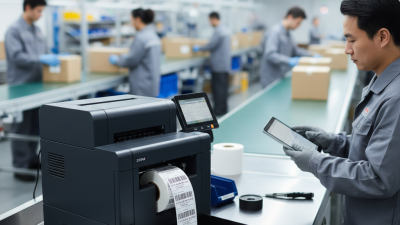
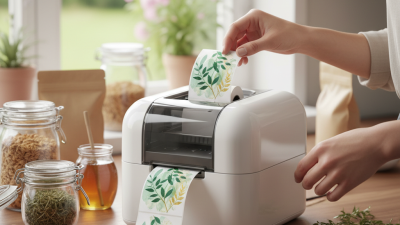
Food label makers are versatile tools. They allow users to design and print custom labels for various applications. Understanding how these devices work is essential for anyone interested in food labeling. With a food label maker, you can customize content, size, and style. This personal touch can enhance the appeal of homemade products, ensuring they stand out.
The basics include the type of labels you want. Think about the ingredients, nutritional facts, and allergen information. Each piece of information serves a purpose. Users often overlook the importance of font size and clarity. Your label should be easy to read. Test different designs before printing multiple copies. Mistakes can lead to unclear messages that confuse consumers.
Some label makers offer built-in templates. However, they may not fully meet your specific needs. Experiment with design tools to create a more personalized look. While perfection is the goal, some labels may end up less polished. This is a common aspect of the learning curve. Embrace the journey of trial and error to find what works best for you.
Sales of Custom Food Labels by Category in 2023
Choosing the Right Food Label Maker for Your Needs
Choosing the right food label maker is crucial for customizing labels that meet your specific needs. Begin by assessing what you will use the labels for. If you need them for meal prep, consider strong adhesive options. For presentations, a sleek, professional look matters.
Tips: Think about the size of the labels. Sometimes, bigger isn’t better. Labels that are too large may overwhelm your packaging. Aim for a size that complements your design without cluttering it.
Durability is another key factor. Some printers offer waterproof and tear-resistant materials. If you often experience spills, choose wisely. However, don't discount the ease of use. A complicated interface can be frustrating. Your label maker should enhance your workflow, not hinder it.
Tips: Check user reviews for insights on real-world performance. Often, product specifications can be misleading. Take the time to research and find a label maker that aligns with your priorities. Balancing quality and cost can be challenging, but it's worth the effort.
Designing Your Custom Food Labels: Tips and Tools
Creating custom food labels allows for personal expression and brand identity.
When designing your labels, clarity and readability matter. Ensure that the font size is large enough to read easily.
A good rule is to choose a font that is simple yet attractive. Use contrasting colors to make the text pop and grab attention.
This small detail helps your label communicate effectively.
Imagery plays a vital role in your label design. High-quality images or graphics can enhance the overall appeal.
Consider using a unique logo or symbol that represents your food product. However, avoid cluttering the label with too much detail.
This can lead to confusion for your audience. Clear imagery and concise text work together to provide the information consumers need.
Choosing the right tools for editing and preparing your labels is essential. Many user-friendly software options can help you create impressive designs.
However, some tools might have a steeper learning curve. Deciding on the right one for your skills is important.
Remember, creating a label isn't just about how it looks; it's also about how it communicates.
Don't be afraid to test multiple designs before settling on the final one.
Sometimes, what seems perfect in theory may not resonate with your target audience. Reflecting on feedback is important for refining your designs.
Printing and Applying Your Custom Food Labels
Custom food labels can enhance branding and provide crucial information. The process of printing these labels requires careful planning and execution. A 2021 report from the Label Manufacturers Association found that 79% of consumers consider packaging important when choosing a product. This highlights the need for well-designed labels.
When applying your custom food labels, accuracy is essential. Labels should adhere smoothly to containers without bubbles. Industries often suggest testing sticker durability with moisture and temperature changes. A study by Food Packaging and Shelf Life revealed that about 30% of labels fail to meet quality expectations due to improper application or materials used.
Investing in a good food label maker can significantly improve the quality. Explore eco-friendly materials, which 54% of consumers prefer according to recent trends. Labels that deteriorate quickly or peel off lead to negative perceptions. Designing labels that are easy to read, and visually appealing can create a lasting impression. Continuous feedback from consumers can guide improvements in label design and function.
Ensuring Compliance with Food Labeling Regulations
When creating custom food labels, compliance with food labeling regulations is critical. According to the USDA, failure to adhere can lead to severe penalties. An estimated 98% of food recalls are linked to labeling errors. Thus, understanding regulations ensures consumer safety and brand integrity.
Labels must include essential information. This includes ingredients, allergens, and nutritional facts. The FDA mandates that labels accurately reflect what is in the package. Incorrect claims on labels can mislead consumers. Mislabeling can damage a brand's reputation and lead to costly recalls.
Keeping up with ever-changing regulations is challenging. Many small producers struggle with the complexities of compliance. Regular training can help producers stay informed. A recent study indicated that 60% of small food businesses lack adequate resources for label compliance. Engaging with food safety experts can provide valuable insights. It's crucial to identify potential pitfalls before finalizing your label design.