How to Choose the Best Food Label Maker for Your Needs?
Choosing the right food label maker can be a daunting task. With so many options available, it’s easy to feel overwhelmed. Think about what you need the label maker for. Will it be used for meal prepping, organizing pantry items, or creating custom labels for gifts? Each scenario requires different features.
A food label maker should fit into your lifestyle. Some models offer advanced features, while others are simple and user-friendly. If you have a busy schedule, a straightforward design might be ideal. But, if you enjoy crafting and need more creativity, consider one with customizable templates.
Reflecting on your choices is crucial. What kind of labels do you want to create? Specificity matters. A food label maker can empower you to streamline your cooking and organization. However, the best choice is personal. Evaluate your needs, budget, and preferences. This process helps ensure you select the perfect tool for your culinary adventures.
Key Features to Consider When Choosing a Food Label Maker
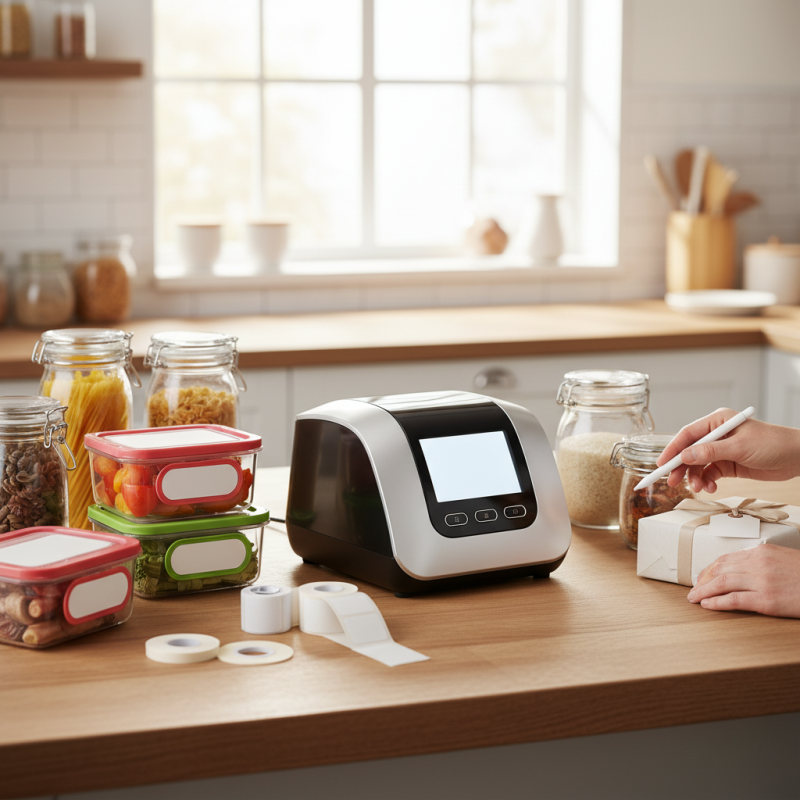
When choosing a food label maker, several key features should guide your decision. First, consider the type of labels you need. Waterproof labels are crucial for items stored in wet environments. Research shows that 35% of consumers prefer food packaging that is both durable and waterproof. This choice protects your labels from spills while keeping them legible.
Next, think about the size and scalability of your labels. Some tasks may require small labels, while others need larger ones. A versatile label maker should accommodate various sizes. This flexibility can enhance your kitchen organization, leading to a more efficient workspace.
**Tip:** Before purchasing, try demos for size and usability. It's common to overlook how user-friendly a device is until you start using it.
Font options also matter. Select a label maker that allows for different fonts and designs to enhance readability. Research indicates that nearly 40% of consumers report confusion over label texts. Clear fonts can prevent misinterpretation of food storage dates.
**Tip:** Always factor in the label maker's compatibility with your computer or mobile device. Some devices may lack this essential integration, leading to unnecessary frustration.
How to Choose the Best Food Label Maker for Your Needs?
| Feature |
Description |
Importance |
| Print Resolution |
The quality of printed text and graphics, often measured in DPI (dots per inch). |
High resolution is crucial for readability and professional appearance. |
| Label Size |
The minimum and maximum size of labels that can be printed. |
Flexibility to create various label sizes is important for different container types. |
| Connectivity Options |
Devices may offer USB, Bluetooth, or Wi-Fi connectivity for printing from computers or mobile devices. |
Good connectivity options allow for easier printing from multiple devices. |
| Ease of Use |
User-friendly interfaces, including touchscreen, software integration, and intuitive design. |
A simple user interface makes it quicker and easier to create labels. |
| Durability of Labels |
Resistance to moisture, heat, and UV light affects the longevity of the labels. |
Durable labels are essential for food products that are refrigerated or exposed to sunlight. |
| Cost of Labels |
The price of label rolls or sheets needed for the printer. |
Affordability of label materials can significantly affect overall operational costs. |
Understanding Label Material Types and Their Applications
When choosing a food label maker, understanding the material types is crucial. Different label materials serve various purposes and environments. For instance, paper labels are cost-effective and ideal for short-term use. They work well for homemade products or seasonal foods. However, they aren't waterproof, so moisture could damage them.
In contrast, plastic and synthetic materials offer durability. They withstand moisture, oil, and extreme temperatures. These labels suit products requiring refrigeration or freezing. Their resilience means they can maintain legibility over time. On the downside, eco-conscious consumers may reject synthetic materials due to environmental concerns.
Choosing the right material can be challenging. It requires assessing your specific needs. Are the labels for a special event or ongoing products? Consider how long you want them to last. Experimenting with different types may reveal unanticipated issues. You might find that some labels don't stick as well in certain conditions. Reflecting on these experiences will help in making better choices for future labeling needs.
Importance of Print Quality in Food Labeling Systems
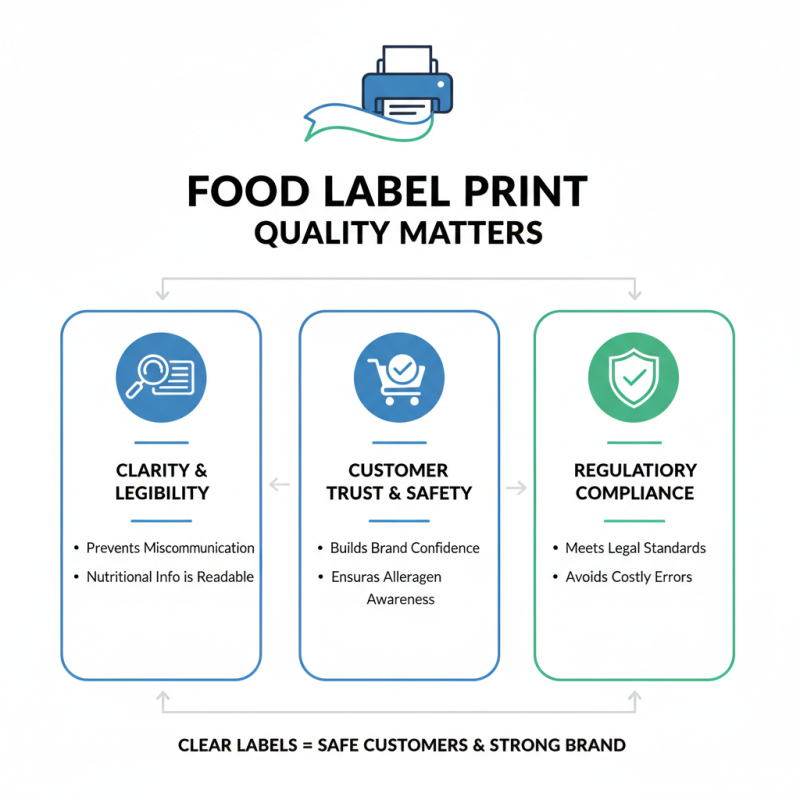
When choosing a food label maker, print quality is crucial. Labels must be clear and legible. Poor print quality can lead to miscommunication. This may cause serious problems in food labeling. For instance, if nutritional information is blurry, customers might avoid your product. Clear labeling builds brand trust and ensures customer safety.
Consider the types of materials used. Some printers provide vibrant colors, while others may only print in black and white. Bright colors can make labels more appealing. However, consistency matters too. You want to avoid printer errors that lead to misaligned prints. The quality of ink or toner also impacts durability. Faded labels may not withstand moisture or heat.
Think about your specific needs. Do you frequently change recipes or ingredients? If so, flexibility in your label maker is important. A system that requires a lot of setup time can slow you down. It’s essential to weigh the trade-offs. Easy-to-read labels enhance customer experience, but you must also reflect on your workflow and efficiency. Balancing these elements can be challenging.
Comparative Analysis of Popular Food Label Maker Brands
When selecting a food label maker, understanding the leading brands is crucial. Market analysis shows that over 40% of consumers look for user-friendly features. Features like size, print quality, and adhesive types are essential. Many users overlook these practical aspects, leading to confusion and dissatisfaction later on.
Some popular brands offer diverse options. For instance, certain models excel in printing durability, while others may lack in this area. Reports indicate that ease of use should be a primary consideration, as a complex interface can frustrate users. A poor user experience may hinder productivity in various kitchens.
**Tips:** Test the interface before purchasing. Ensure it fits your workflow. Always check user reviews. They often highlight real-world performance and potential drawbacks.
In a busy kitchen, durability matters. Adhesive quality is vital for proper labeling. Some labels peel off after a few days. Reflect on your needs carefully to avoid disappointment. A label maker that does not meet expectations can cause unnecessary delays. Prioritize what is most important for your kitchen or business.
Budgeting for Your Food Label Maker: Cost vs. Features
When budgeting for a food label maker, consider both cost and features. A cheaper model might save you initial expenses, but what about durability? Some affordable options lack essential functions. They may not print labels that resist moisture or fading. This could lead to frustration when labels peel off or become unreadable.
Look beyond the price tag. Features like customizable templates can enhance your experience. Spending a bit more could save time and effort. Yet, always assess whether these features align with your needs. Are you labeling jars or bulk containers? The answers will guide your purchasing decision. Sometimes, what seems like a wise choice can turn into a regrettable purchase if it doesn’t perform well.
Prioritize what matters most. A compact, easy-to-use design may save space in your kitchen. But, be careful with the lowest-priced machines; they can lack support. Make sure to read reviews before committing. Balancing cost and utility is tricky. Be realistic about your labeling needs before diving into a purchase. It requires patience and some trial and error.