How to Choose Custom Roll Labels for Your Business Needs?
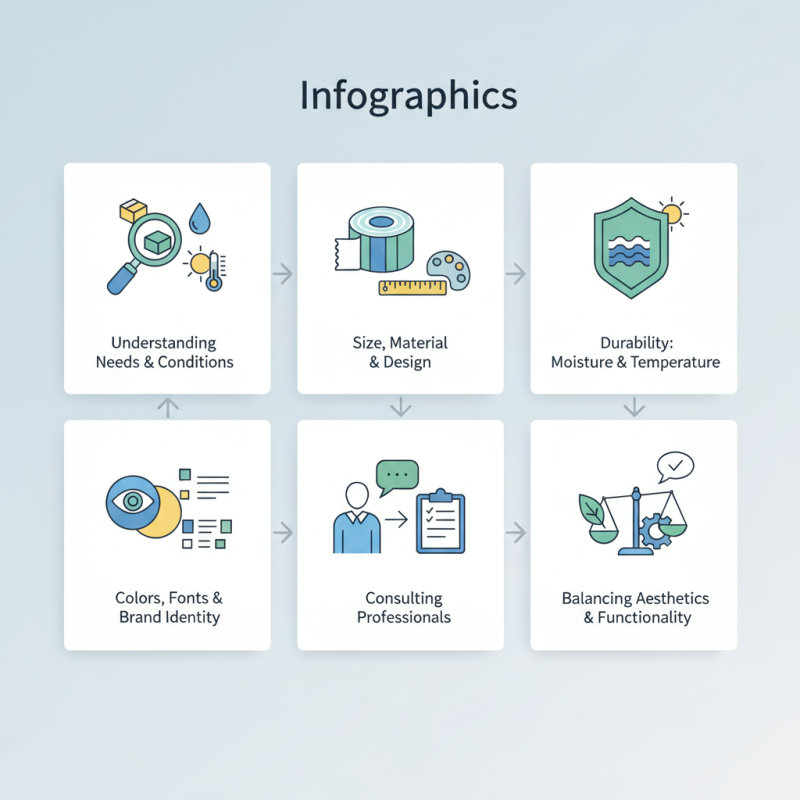
Choosing the right custom roll labels for your business can be a daunting task. With countless options available, it’s essential to understand your specific needs and how labels will be utilized. Custom roll labels serve various purposes, from branding to product information. Selecting the ideal type requires careful consideration of size, material, and design.
Many overlook the importance of durability. Labels must withstand different conditions, such as moisture or temperature changes. Evaluate whether your labels need to be waterproof or resistant to sunlight. This thought process can save you from costly reprints. Furthermore, colors and fonts can significantly enhance your product's appeal. Consider how your choice reflects your brand identity.
It’s also wise to consult professionals when selecting custom roll labels. Their expertise can guide you through the design process and help you avoid common pitfalls. Making informed decisions about your labels can elevate your brand. Balancing aesthetics and functionality is key. Remember, the right labels do more than decorate; they convey essential information.
Understanding the Importance of Custom Roll Labels for Businesses
Custom roll labels play a crucial role in branding and product identification for businesses. They enhance visibility and convey important information about your product. A well-designed label can grab customer attention quickly. It communicates your brand’s identity and values in a simple way.
When choosing custom roll labels, consider material durability. Some products require waterproof or heat-resistant labels. The wrong material might lead to label damage. This can affect your product's presentation and customer perception.
Design is equally important. Your label should be visually appealing and informative. Use colors and fonts that align with your brand. Make sure the text is legible from a distance. A cluttered design can confuse customers.
Tip: Think about your label's shape and size relative to your product. An inappropriate fit may look unprofessional. Test different designs before finalizing. This might save you from costly mistakes later.
How to Choose Custom Roll Labels for Your Business Needs? - Understanding the Importance of Custom Roll Labels for Businesses
| Label Type |
Material |
Size (inches) |
Finish |
Use Case |
| Product Labels |
Glossy Paper |
3 x 4 |
Gloss Finish |
Retail Products |
| Shipping Labels |
Tyvek |
4 x 6 |
Matte Finish |
Shipping & Logistics |
| Beverage Labels |
Waterproof Vinyl |
3 x 5 |
Gloss Finish |
Beverage Industry |
| Custom Stickers |
Vinyl |
2 x 2 |
Laminated Finish |
Promotional Events |
| Food Labels |
Paper |
2 x 3 |
Water-resistant Finish |
Food Industry |
Identifying Your Specific Labeling Needs and Requirements
When choosing custom roll labels, it's essential to identify the specific needs of your business. Are you labeling products for retail or organizing items in your warehouse? Understanding your end goal will guide your choices. For example, clear labels work well for shipping. Meanwhile, vibrant colors capture attention in retail settings.
Consider factors like size, material, and adhesive strength. What environment will the labels be in? If they will face moisture or heat, durable materials are necessary. Reflect on how your labels will be applied. Automatic label dispensers require a uniform roll size for efficiency. Small adjustments can impact your workflow greatly.
Many overlook the importance of a proofing stage. Reviewing samples can reveal colors that may print differently than expected. Don’t rush this part; it can save time and costs later. Each detail matters, from choosing the right font to selecting the ideal adhesive. Every business has unique labeling challenges, making it crucial to customize your approach.
Exploring Material and Design Options for Roll Labels
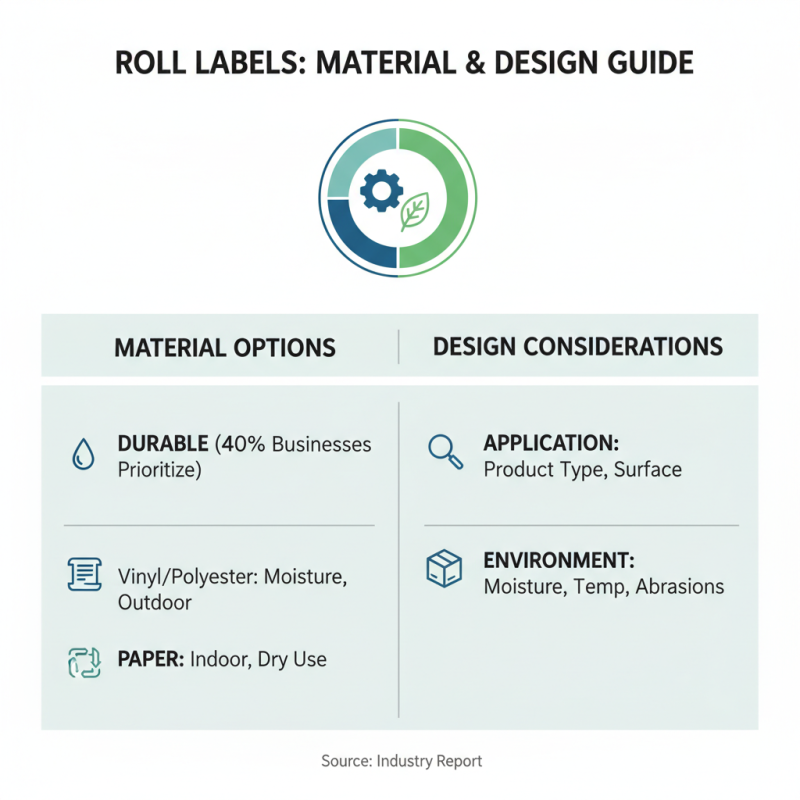
When selecting custom roll labels, your choice of material and design plays a crucial role. Various materials are available, each suited to different applications. For instance, a recent industry report noted that over 40% of businesses prioritize durability in label materials. This suggests that understanding the environment in which your labels will operate is essential. For products exposed to moisture, vinyl or polyester might be your best choices, while paper labels can suffice for indoor uses.
Design options also significantly impact brand perception. An eye-catching design can increase product visibility by up to 30%, according to marketing studies. It is vital to balance aesthetics with functionality. Labels should convey the necessary information clearly without overwhelming the consumer. When choosing colors, consider how they resonate with your target audience. In a world where the average consumer is bombarded with choices, your label must stand out.
**Tip:** Test different materials before making a final decision. Samples can reveal durability and adhesion properties under real-world conditions.
Remember, imperfections can arise in the label design process. Maybe your font isn't legible at a distance, or the colors clash. Take the time to gather feedback from your team. Every detail matters in creating a label that reflects your brand effectively.
Evaluating Printing Techniques and Their Impact on Quality
When selecting custom roll labels, the printing technique significantly affects the final product’s quality. Common methods include flexography, digital, and offset printing. Flexography is often preferred for high-volume runs. However, it may sacrifice detail in smaller designs due to its fast printing nature. Recent industry reports indicate that up to 30% of labels printed using this method may lack sharpness.
Digital printing, on the other hand, excels in producing intricate designs. This method offers the flexibility of printing smaller batches with less waste. According to a study by Smithers Pira, digital label printing is expected to grow by 14% annually. Brands that value detail find this option appealing despite potentially higher costs. Consider the material and finish as well; these choices also play a critical role.
Choosing the right technique involves balancing quality and cost. Some businesses find themselves compromising on quality to stay within budget. This can lead to labels that peel or fade quickly, ultimately affecting brand perception. A careful evaluation of printing methods is crucial to maintain label integrity and brand image in the long run.
Comparing Suppliers and Pricing for Custom Label Solutions
When selecting custom roll labels, comparing suppliers and pricing is crucial. The label industry is a growing market, with a projected annual growth rate of 4.6% from 2021 to 2028. This statistic underscores the importance of making informed decisions. Different suppliers offer varying pricing structures based on material, design complexity, and production volume. It’s essential to request quotes from multiple vendors to gauge competitive pricing.
Evaluating suppliers involves more than just price. Quality and service are vital. A recent study from the Label Industry Global Statistics indicated that 45% of customers prioritize quality over cost. Additionally, turnaround times can differ significantly. Some suppliers may promise faster delivery but at a premium cost. Consider lead times in your evaluation to avoid potential delays.
Transparency in pricing is also important. Hidden fees can inflate costs unexpectedly. Ask for detailed breakdowns that explain all charges. Furthermore, some cheaper options may compromise on material durability. This could affect your branding and product presentation. Invest time in understanding your needs and aligning them with supplier offerings. A thoughtful approach here can save your business from costly mistakes.