How to Choose the Best Sticker Printer for Your Needs?
Choosing the best sticker printer can be a daunting task. The market is flooded with options, each claiming to be superior. It is vital to identify your specific needs before making a decision. Consider the type of stickers you want to print, whether for personal use or business. A high-quality sticker printer can significantly improve your projects.
Think about the features you require. Some printers are compact and portable, perfect for home offices. Others are larger and handle bigger print jobs. Evaluate the printing speed as well; slow printers can frustrate your workflow. Additionally, consider the cost of ink and materials. A great sticker printer should not only meet your expectations but also fit your budget.
It is also essential to read reviews and compare different models. Remember, perfection is subjective. The right sticker printer for one person may not be suitable for you. Reflect on your printing habits and how often you’ll use the printer. Gathering these insights will lead you closer to selecting the best sticker printer for your needs.
Understanding Your Sticker Printing Needs and Goals
Choosing the right sticker printer starts with understanding your specific needs and goals. Are you a small business owner creating custom designs? Or maybe you’re a hobbyist looking to print fun stickers for personal use? Each scenario has unique requirements. For instance, color accuracy is crucial for businesses. It helps maintain brand consistency. In contrast, hobbyists might prioritize variety over precision.
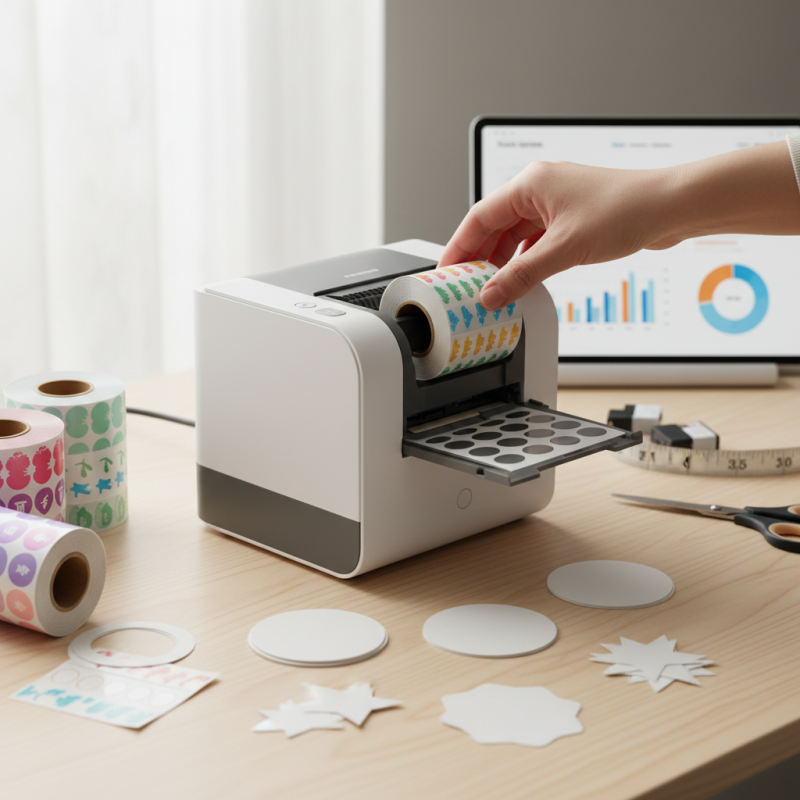
Consider the types of materials you'll use. Regular paper, vinyl, or specialty materials each require different printer capabilities. The printer should accommodate these variations. You may find yourself frustrated if it doesn’t. Think about the print volume as well. A high-capacity printer can save time, but it may be more expensive. Assess your regular usage to determine the best fit.
Don’t forget about the learning curve. Some printers might have complex setups, which can be daunting. It's essential to weigh your comfort level with technology against your goals. Experimenting with different printers can yield insights but can also lead to dissatisfaction. Striking a balance between features, usability, and budget is critical. Reflect on what truly matters for your sticker printing journey.
How to Choose the Best Sticker Printer for Your Needs?
| Feature |
Option A |
Option B |
Option C |
| Print Resolution |
600 x 600 DPI |
1200 x 1200 DPI |
4800 x 2400 DPI |
| Material Compatibility |
Vinyl, Paper |
Vinyl, BOPP |
Vinyl, Canvas |
| Printing Speed |
2 inches/second |
4 inches/second |
5 inches/second |
| Connectivity Options |
USB, Wi-Fi |
USB, Bluetooth |
Wi-Fi, Ethernet |
| Target User |
Home Users |
Small Businesses |
Professional Studios |
Comparing Different Types of Sticker Printers Available on the Market
When choosing a sticker printer, there are various types to consider. Inkjet printers are popular for their vibrant colors. They are great for detailed designs. However, they can smudge if not handled well. Laser printers offer quick printing with sharp results. Yet, they may struggle with color gradients.
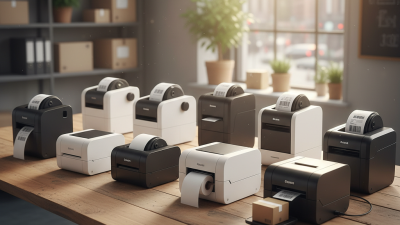
Besides, there are dedicated label printers. They are designed for stickers and labels. These produce consistent quality but might lack versatility for larger projects. Consider your needs carefully. Think about what you’ll print most often. This will guide your choice.
**Tip:** Assess the size of the stickers you want to create. A compact printer may be easier to manage, but larger formats can open up creative possibilities.
Also, consider the printing speed. Some printers are slow but deliver high quality. Others may print fast but compromise on detail. Finding a balance is key.
**Tip:** Read user reviews before making a decision. They can shed light on potential issues and strengths of the printer models.
Experimenting with various printers could lead to discovering unique styles. However, don’t expect perfection right away. The printing process may require adjustments and learning along the way.
Comparison of Different Types of Sticker Printers
The chart above shows the average prices of different types of sticker printers available on the market. Inkjet printers are the most affordable, while vinyl cutters are generally the most expensive option. This comparison helps in assessing which printer might fit your budget and requirements for sticker printing.
Key Features to Look for in a Quality Sticker Printer
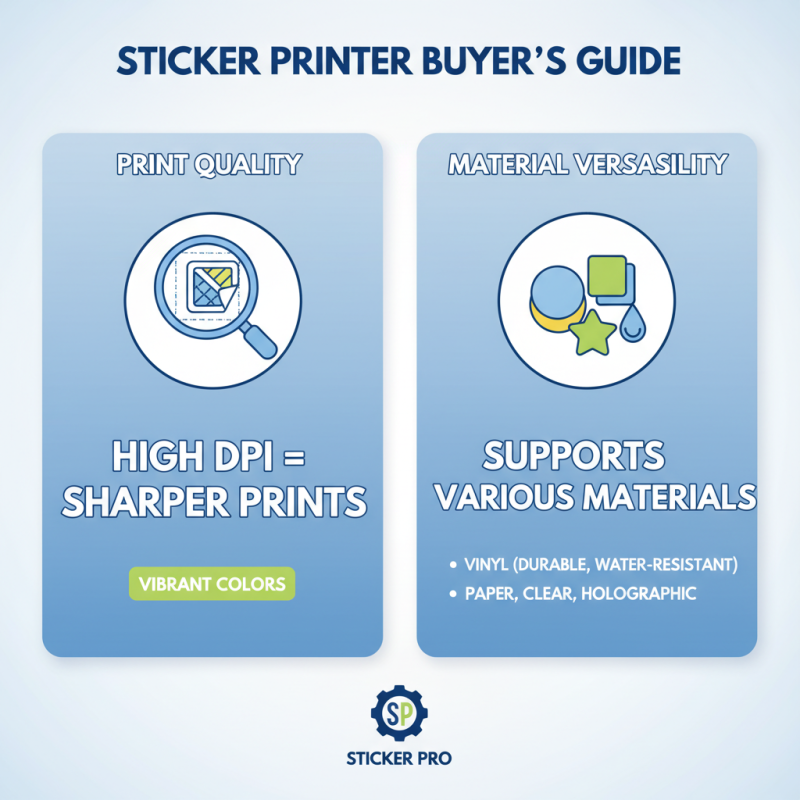
When choosing a sticker printer, consider key features that enhance usability and quality. Print resolution is crucial. A higher DPI (dots per inch) means sharper images with vibrant colors. The higher the resolution, the better your stickers will look. Check if the printer supports various sticker materials. Vinyl stickers, for instance, last longer outdoors and resist moisture.
Another important feature is ease of use. Look for printers that are easy to set up and operate. A user-friendly interface can save time and frustration. Some models offer wireless connectivity, allowing you to print directly from your phone or computer. This feature can be a game changer for seamless creativity.
Tips: Pay attention to maintenance requirements. Some printers need frequent cleaning to maintain print quality. Regular checks can prevent issues. Additionally, consider the cost of ink and materials. High-quality stickers demand investment, but the return can be worth it. Balancing cost with quality is vital.
Evaluating Cost vs. Quality: What to Expect from Your Investment
When evaluating cost versus quality for sticker printers, it’s crucial to understand the trade-offs involved. High-quality sticker printers can range from $200 to over $5,000. The price often reflects the machine's capabilities, durability, and print quality. A cheaper model may save you money up front, but it might compromise on resolution and color accuracy.
Industry reports suggest that printers capable of producing professional-grade stickers typically have an average cost of $1,000. These printers offer superior color depth and faster printing speeds. For small businesses, this means less waste and higher customer satisfaction. However, investing in high-end printers may seem daunting. Many users find that lower-end models can struggle with larger print jobs, leading to inconsistent quality.
Consider the needs of your business carefully. If you produce stickers occasionally, an affordable printer could suffice. But for brands focusing on high volume, opting for quality makes more sense. Balancing these factors might involve trial and error. Reflect on how each choice impacts your workflow and bottom line. Every decision shapes your brand image, for better or worse.
User Reviews and Recommendations: Choosing a Trusted Brand
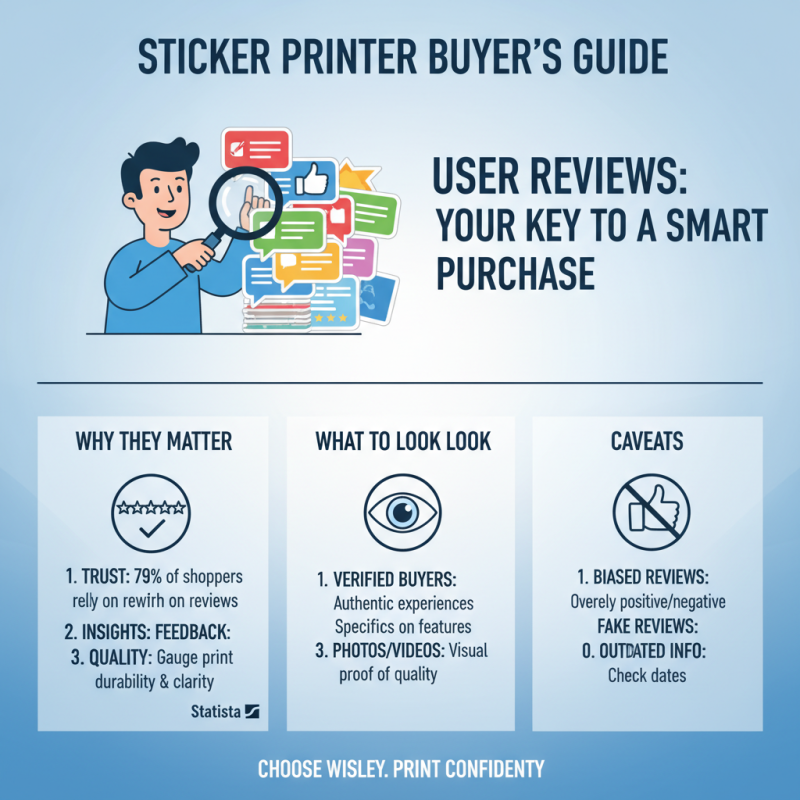
User reviews play a crucial role in selecting a sticker printer. Most consumers rely heavily on peer feedback before making a purchase. According to a report by Statista, nearly 79% of shoppers trust online reviews as much as personal recommendations. However, not all reviews are created equal. Some may be biased or overly enthusiastic.
When evaluating sticker printers, look for reviews that discuss output quality and ease of use. Quality is essential, as vibrant colors and sharp details make a big difference. A survey by Market Research Future found that customers prioritize print resolution and speed. Many users mention frustration over complicated setups or unclear instructions. Transparency in user feedback can help identify these issues.
Brand reliability is another key factor. Research indicates that companies with consistent positive reviews tend to maintain customer satisfaction. Yet, there are instances where newer brands may offer advanced features. Balancing innovation and reliability is important. Take note of reviews that highlight durability and long-term performance, as these often reveal insights into a printer's true capabilities. Look for patterns in reviewer experiences; they can reveal potential challenges that may not be immediately obvious.