What are the Benefits of UVLED Flatbed Printing Technology?
In the world of printing, UVLED Flatbed Printing is gaining attention. This cutting-edge technology allows for high-quality, vibrant prints on various materials. Experts agree that it is a game changer. Dr. Emily Chen, a leading figure in printing innovation, states, "UVLED Flatbed Printing opens new doors for creativity."
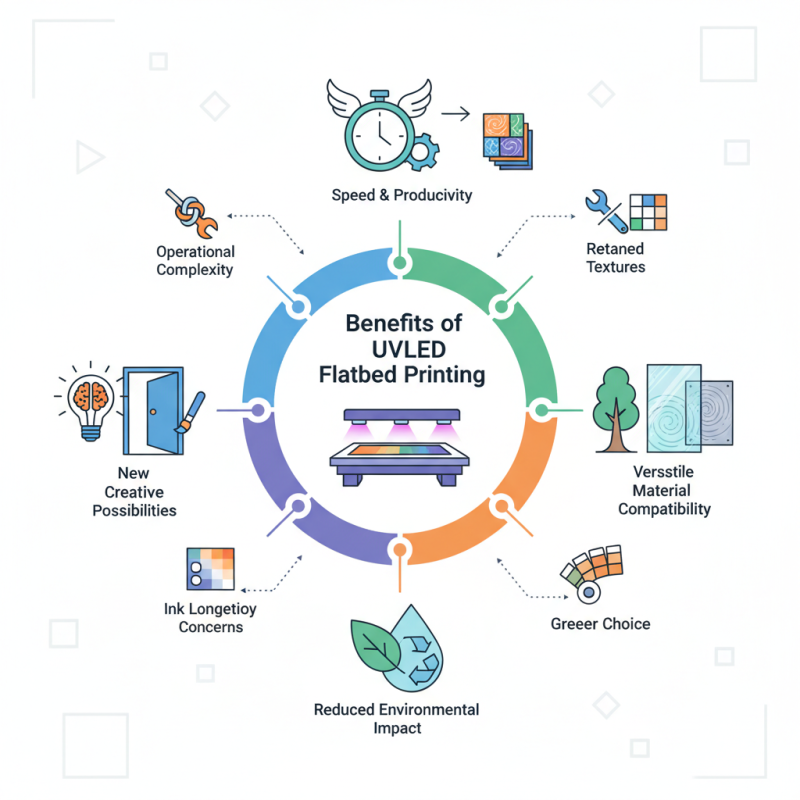
The advantages of UVLED Flatbed Printing are notable. No drying time is needed, as it uses UV light to cure ink instantly. This speed enhances productivity. Additionally, it enables printing on materials like wood, glass, and metal. Each surface retains its original texture, offering numerous design options. However, challenges exist too. Some users find it complex to operate, requiring training.
Moreover, the environmental impact must be highlighted. This technology utilizes fewer harmful solvents compared to traditional methods. It presents a greener choice. But, there are concerns about ink longevity and durability. As the industry evolves, addressing these issues will be crucial for broader acceptance. Overall, UVLED Flatbed Printing holds promise, yet the journey involves both innovation and reflection.
Benefits of UVLED Flatbed Printing Technology for Diverse Materials
UVLED flatbed printing technology offers various benefits for printing on diverse materials. This technique allows for high-quality, vibrant prints on surfaces such as wood, glass, metal, and plastics. The inks cure instantly under UV light, providing excellent adhesion. This feature also reduces drying time, enabling faster production cycles.
Consider experimenting with different materials. Each surface interacts uniquely with UV inks. For instance, rough surfaces may require adjustments in the ink formulation. Some users find that metal offers a strong finish, but it can also lead to unexpected results. Always conduct tests on sample pieces before proceeding with larger projects.
Keep in mind that the initial investment in UVLED technology may be substantial. However, the long-term benefits can outweigh the costs. Regular maintenance is essential to ensure consistent quality. Staying attuned to improvements in technology can enhance print performance. Be sure to keep learning about ink compatibility to avoid potential issues with adhesion.
Environmental Advantages of UVLED Printing Compared to Traditional Methods
UVLED flatbed printing technology is revolutionizing the printing industry. One significant advantage is its environmental impact. Unlike traditional printing methods that often rely on solvents and harmful chemicals, UVLED printing uses UV light to cure inks almost instantly. This process generates fewer volatile organic compounds (VOCs), which contribute to air pollution. According to a report by Smithers Pira, UV printing can reduce VOC emissions by up to 80%.
Additionally, the energy consumption of UVLED technology is remarkably lower. A study from the European Printing Industry shows that UV curing systems require less energy than conventional drying methods. This transition not only cuts costs but also decreases the carbon footprint associated with the printing process. The reliable curing mechanism leads to less waste, further enhancing sustainability efforts.
Tips: Consider transitioning to UVLED printing. Research suggests that it can improve production speed and reduce wasted materials. Regular training on this technology can enhance efficiency, making it a smart investment. Reflect on your current methods and their environmental impact; the shift to UVLED could contribute significantly to sustainability goals.
Cost Efficiency and Reduction in Production Time with UVLED Technology
UVLED flatbed printing technology provides notable cost efficiency and a significant reduction in production time. According to recent industry reports, businesses leveraging UVLED technology have seen production costs drop by approximately 30%. This reduction stems from fewer materials wasted and minimal setup times. The quick curing process of UVLED printers allows for faster turnaround, benefiting companies needing rapid production cycles.
Moreover, UVLED printers require less energy compared to traditional methods. They emit lower levels of volatile organic compounds, creating a safer work environment. Studies show that companies can reduce their energy consumption by up to 50% with UVLED technology. However, transitioning to this technology can pose challenges, such as the need for new training and potential upfront costs. Balancing these initial investments with long-term savings is crucial.
While UVLED flatbed printing has remarkable benefits, it’s important to recognize that not all projects may suit this method. Certain materials or intricate designs might require different approaches. Rethinking processes and evaluating job requirements can ensure optimal use of UVLED printing. This deliberation helps in achieving the best results while maintaining efficiency.
High-Quality Output and Durability of Prints with UVLED Flatbed Printing
UVLED flatbed printing technology brings high-quality output and enhanced durability to printed materials. The use of ultraviolet light during the curing process creates striking colors and sharp details. Prints produced with this technology exhibit impressive resistance to fading, moisture, and scratches. This makes them suitable for a variety of applications, from signage to promotional materials.
One tip to consider is choosing the right substrate. UVLED printing works well on many surfaces, including acrylic, wood, and metal. However, each material might react differently to the printing process. Testing samples can help avoid unexpected results. Color calibration is another crucial aspect to evaluate. It ensures that the final output meets expectations.
When preparing files for printing, pay attention to resolution. High-resolution images yield clearer and more vibrant results. Overlooking this can lead to disappointing prints. Remember, effective communication with your printing service is vital. Clarifying expectations can minimize misunderstandings and achieve the best possible outcome. Embracing UVLED technology can elevate your printing projects, but careful planning remains essential.
Industry Growth Trends and Market Adoption of UVLED Printing Solutions
The UVLED printing industry is undergoing significant growth. Many businesses are adopting this technology due to its versatility. The ability to print on various substrates is a game-changer. It allows for creativity in product design and marketing materials. This flexibility is attractive for small and large companies alike.
As market demand increases, the use of UVLED printers is expanding. More sectors are exploring these solutions. Packaging and signage industries are notable examples. However, the adoption is not without challenges. The initial investment can be daunting for new businesses. Additionally, technical training for staff is essential but sometimes overlooked.
Despite these hurdles, the benefits are evident. UVLED printing offers quicker drying times and reduced waste. These advantages enhance productivity. Companies need to weigh the pros and cons carefully. The growth of UVLED technology may reshape traditional printing approaches in the future. As the industry evolves, ongoing innovation remains crucial.
Benefits of UVLED Flatbed Printing Technology
This bar chart illustrates the key benefits of UVLED flatbed printing technology. The data represents the percentage of industry professionals who recognize each benefit, showcasing higher resolution printing, faster drying times, eco-friendliness, versatility in substrates, and lower energy consumption.