Top Custom Labels Ideas for Your Business Success?
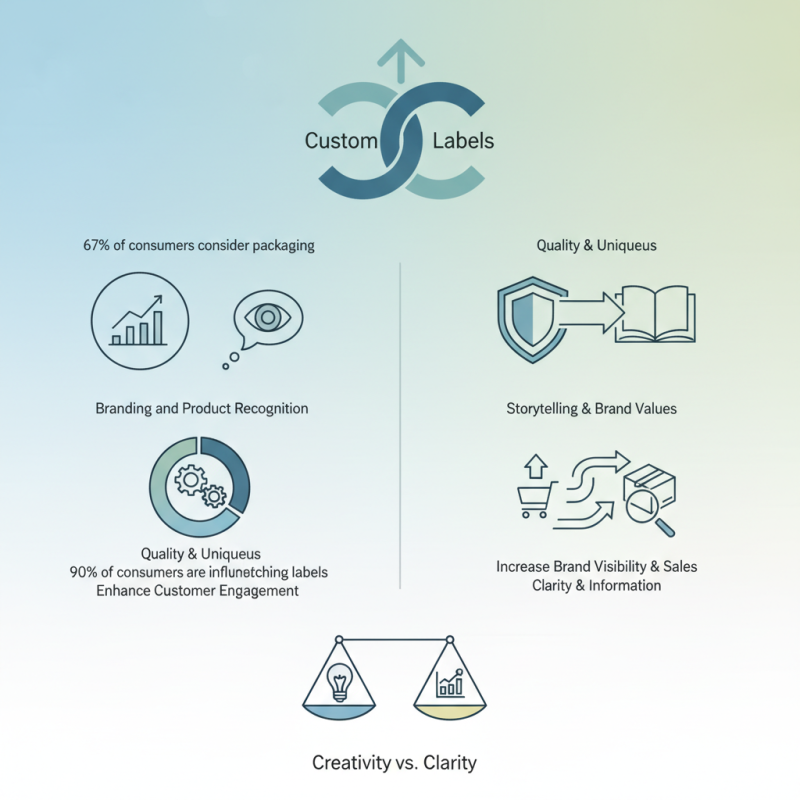
Custom labels play a crucial role in branding and product recognition. Research shows that 67% of consumers consider packaging before making a purchase. Custom labels help create a lasting impression, reflecting the quality and uniqueness of your product. They communicate essential information and enhance aesthetic appeal.
In the competitive market, businesses need to stand out. Custom labels are an effective tool for storytelling. They convey messages about the brand’s values and mission. Despite their importance, many companies overlook label design. Poor choices can lead to missed opportunities. A well-designed label can enhance customer engagement and loyalty.
Data indicates that 90% of consumers are influenced by eye-catching labels. Custom labels can increase brand visibility and sales. However, it is vital to balance creativity with clarity. Overly complex designs may confuse consumers. Striking the right balance ensures your labels attract attention while providing necessary information.
Understanding the Importance of Custom Labels for Business
Custom labels play a crucial role in elevating a business's identity. They are more than just stickers; they serve as a direct communication tool between the product and the consumer. A well-designed label can capture attention and convey essential information. This first impression is often decisive. Without it, your product may blend into a sea of competitors.
Consider adding more details to your labels. Use clear fonts and engaging colors. Think about the emotions you want to evoke. Colors can influence buying decisions. Keep the design clean to avoid overwhelming potential customers. Remember, your label reflects your brand's values. If it looks cheap, it can erode trust.
Tips: Always test different designs. Gather feedback from friends or even customers. Small changes can lead to significant improvements. Balance creativity with clarity. Sometimes, less is more. Don't forget to adapt labels for different seasons or limited editions. This can create excitement around your brand. Custom labels are a canvas for your story. Embrace that opportunity.
Identifying Your Target Audience and Their Label Preferences
Understanding your target audience is crucial for business success. It helps you design labels that truly resonate. Start by conducting surveys or interviews. Ask potential customers what they value. Preferences can vary widely, from colors to fonts. Some might prefer minimalistic designs, while others love vibrant patterns.
Think about demographics too. Younger audiences may lean towards bold and trendy styles. Meanwhile, older customers often appreciate classic aesthetics. Don’t forget cultural factors; they can significantly influence taste. Create samples reflecting these insights. Show them to a small group. Gather feedback and refine your approach.
Label preferences are not static. They can change over time. Regularly reassess your audience's needs. Look for fresh trends and new ideas. This ongoing process can be imperfect, but it’s essential for growth. Adaptation is key, and listening to your audience creates a strong foundation for your branding.
Choosing the Right Material and Size for Your Custom Labels
Choosing the right material and size for your custom labels is crucial for business success. Start by considering where the labels will be used. Will they be exposed to moisture or sunlight? Options like vinyl or polyester work well in tough environments. Paper labels, while cheaper, may not hold up long term. Think about durability and presentation.
Next, size matters more than you might think. A label that’s too small can be hard to read. Conversely, one that's too large might overwhelm the product. Measure your packaging carefully. Test with various sizes before making a final decision. You want a label that complements the product without stealing the spotlight.
Do not underestimate the power of color and design. High contrast helps visibility, while vibrant colors catch attention. However, colors should align with your brand. Striking the right balance can be challenging. Create prototypes and gather feedback. This can reveal insights you didn’t expect. Reflect on how your choices impact customer perception.
Effective Strategies for Marketing Your Custom Labels to Customers
Creating custom labels can elevate your business. They can enhance product appeal and boost brand recognition. To market your labels effectively, focus on your target audience. Understand their preferences and tailor your labels accordingly. Engaging visuals can make a difference. Vibrant colors and unique designs grab attention quickly.
Tips: Use social media platforms for promotion. High-quality images showcase your labels beautifully. Engage with your audience through polls or feedback. This creates a community around your brand. Direct customer feedback helps refine your designs.
Test different label styles and sizes. Not every design will resonate. It’s okay if some ideas don’t work as planned. Reflect on customer reactions to improve. Another strategy is to offer promotional discounts. This can entice customers to try your custom labels. Make them feel special and valued. Craft personalized messages on labels to create memorable experiences.
Top Custom Labels Ideas for Your Business Success
This chart illustrates the sales volume for various types of custom labels, highlighting the potential areas of success for your business. Consider focusing on product labels and shipping labels, as they show the highest demand.