10 Best Practices for Designing Effective Product Labels in 2023
In the evolving landscape of consumer goods, the importance of effective product labels cannot be overstated. As we venture into 2023, brands are recognizing that product labels serve not only as a means of identification but also as a crucial touchpoint in the customer journey. A well-designed label can captivate consumers’ attention, convey essential information, and instill a sense of trust and quality. With a plethora of competing products on the shelves, the role of product labels in differentiating a brand and enhancing its appeal has become more vital than ever.
Designing product labels that resonate with consumers requires a strategic approach. It is essential to consider not only the aesthetics but also the functional aspects of label design. Factors such as clarity, compliance with regulations, and alignment with the brand’s identity play crucial roles in the label’s effectiveness. As we delve into the best practices for 2023, we will explore innovative techniques that can elevate product labels, ensuring they not only meet consumer expectations but also foster brand loyalty. Whether you are launching a new product or revamping an existing one, adopting these best practices will help you create product labels that stand out in a crowded marketplace.

Understanding the Importance of Product Labels in 2023
Product labels are more than just decorative elements; they play a crucial role in consumer decision-making and brand perception in 2023. According to a recent survey conducted by the Label Manufacturers Association, approximately 75% of consumers report that product labeling is a key factor in their purchasing choices. This emphasizes that effective labeling can significantly influence sales, as labels serve as the first point of contact between the product and the consumer.
With the increasing competition across various markets, brands must recognize that a well-designed label can differentiate products, communicate quality, and foster brand loyalty.
Moreover, regulatory requirements and consumer preferences are evolving, making the significance of product labels even more pronounced. A report by the Global Packaging Alliance found that 80% of users are particularly concerned about transparency in labeling, seeking clear information about ingredients, sustainability, and ethical sourcing. As consumers become more informed and conscientious, labels must not only be attractive but also relay accurate and relevant information. Thus, the design of product labels in 2023 should prioritize clarity, compliance, and the ability to connect with the consumer's values, aligning with an ever-growing emphasis on health, environmental impact, and ethical considerations.
Key Elements of Effective Product Label Design
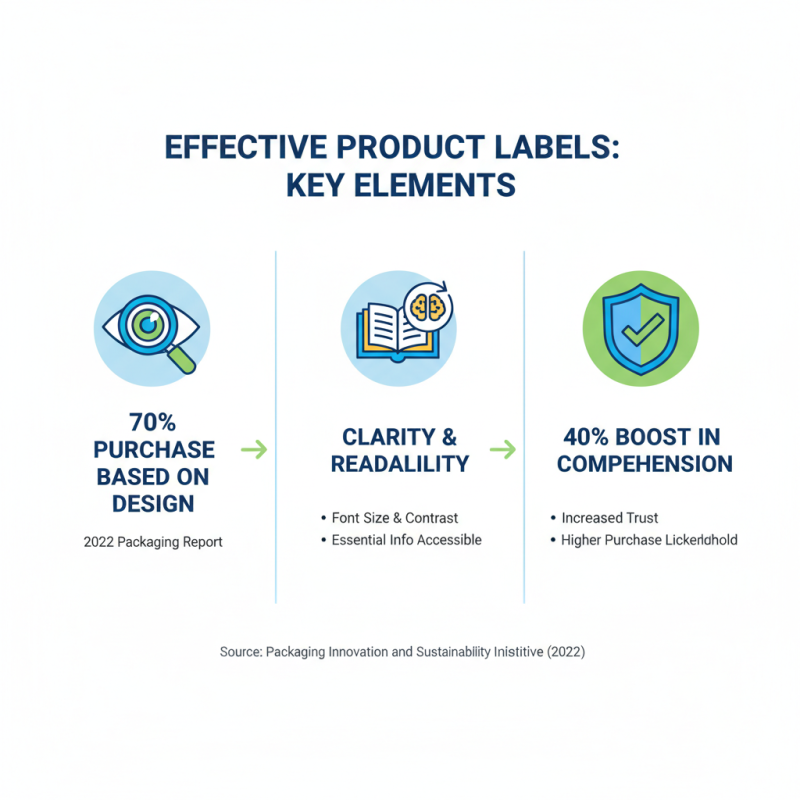
When designing effective product labels, understanding the key elements that capture consumer attention and convey necessary information is paramount. According to a 2022 report from the Packaging Innovation and Sustainability Initiative, 70% of consumers make decisions on which product to purchase based solely on label design. Therefore, brands must focus on clarity and readability, utilizing appropriate font sizes and color contrasts to ensure essential information is easily accessible. Research highlights that labels with high readability can boost product comprehension by up to 40%, leading to increased consumer trust and purchase likelihood.
Another vital aspect of product label design is the effective use of imagery and icons. Visual elements should complement the text and resonate with the target audience. A 2023 study from the Visual Merchandising Association found that products featuring clear, relevant icons increase engagement by 32%. Furthermore, including sustainability symbols and certifications can enhance a brand's credibility, as 60% of consumers are more likely to choose environmentally friendly products when such indicators are prominently displayed. Labels that successfully integrate these elements not only communicate the product’s features and benefits but also create an emotional connection, leading to higher customer retention rates.
6 Tips for Choosing the Right Typography and Fonts
In today's competitive market, choosing the right typography and fonts for product labels can significantly impact consumer perception and purchasing behavior. According to a study by the International Journal of Design, 95% of first impressions are related to visual design, emphasizing the importance of typography in label creation. Effective typography not only enhances the aesthetic appeal of a product but also ensures clarity, helping consumers quickly understand the information presented.
When selecting fonts, it’s crucial to consider readability. Consumers often make quick decisions based on how easily they can read the label. A study by the Nielsen Norman Group found that simple, sans-serif fonts enhance legibility, especially on smaller labels. Therefore, opting for straightforward typography that maintains brand identity while being readable can be a game changer.
Another important aspect is the emotional response elicited by fonts. Research from the Journal of Marketing suggests that different typefaces can convey varying emotional tones, influencing consumer trust and engagement. For instance, serif fonts are often associated with tradition and reliability, whereas script fonts can evoke a sense of elegance and creativity. When designing labels, it becomes essential to choose fonts that align with the brand’s message and the emotions it aims to evoke in buyers.
Font Choice and Readability Scores in Product Label Design (2023)
This chart illustrates the readability scores associated with different font types utilized in product label design for the year 2023. A higher score indicates better readability, which is essential for effective communication in product labeling.
Color Psychology: How to Use Colors Effectively in Labels
Color plays a crucial role in the effectiveness of product labels, influencing consumer perception and behavior. Understanding color psychology can transform how a label communicates the essence of the product. For instance, colors like blue often evoke feelings of trust and reliability, making them ideal for products that aim to establish brand loyalty. On the other hand, red can stimulate urgency and excitement, potentially driving quicker purchase decisions. By selecting appropriate colors, designers can create labels that resonate with their target audience, enhancing the overall appeal of the product.
Moreover, the combination of colors is equally important; contrasting colors can make key information stand out, while harmonious palettes can create a sense of balance and ease of understanding. For example, using a vibrant color for a call-to-action alongside a muted background can effectively guide the consumer's attention to important details. It’s essential to consider cultural associations with colors as well, as perceptions can vary widely across different demographics. By leveraging these principles of color psychology, brands can craft labels that not only attract attention but also forge an emotional connection, ultimately driving consumer engagement and loyalty.
10 Best Practices for Designing Effective Product Labels in 2023 - Color Psychology: How to Use Colors Effectively in Labels
| Label Color |
Psychological Effect |
Best Use Case |
Examples |
| Red |
Excitement, urgency |
Food products, clearance items |
Sauces, discounts |
| Blue |
Trust, calmness |
Health products, tech |
Medicine, electronics |
| Green |
Nature, freshness |
Organic products, wellness |
Natural juices, eco-friendly goods |
| Yellow |
Optimism, clarity |
Kids' products, snacks |
Toys, cereals |
| Black |
Sophistication, power |
Luxury goods, cosmetics |
Perfumes, premium items |
| Purple |
Creativity, luxury |
Art supplies, high-end products |
Art kits, elegant items |
| Orange |
Energy, enthusiasm |
Sports products, snacks |
Energy drinks, chips |
| Brown |
Stability, reliability |
Food items, furniture |
Chocolate, rustic decor |
| Pink |
Love, playfulness |
Beauty products, confectionery |
Lipstick, candies |
| White |
Purity, simplicity |
Health items, minimalistic products |
Medications, clean brands |
Regulatory Compliance: Meeting Labeling Standards and Guidelines
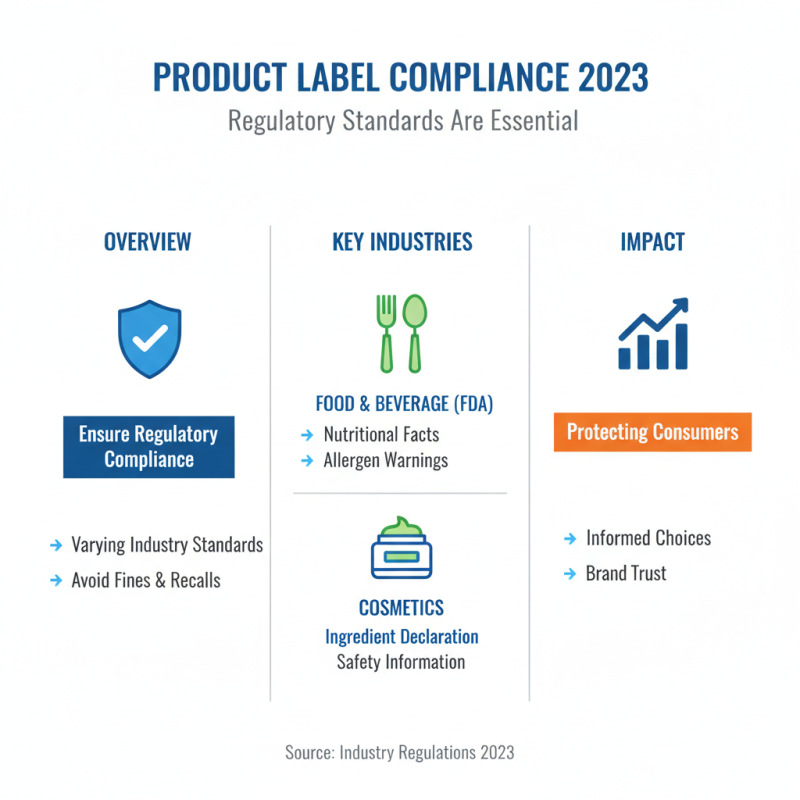
When designing product labels in 2023, ensuring regulatory compliance is paramount. Different industries are governed by a variety of labeling standards and guidelines that dictate what information must be included and how it should be presented. For instance, food and beverage labels must adhere to the FDA’s requirements in the United States, which state that nutritional information, ingredient lists, and allergen warnings must be clearly visible. Similarly, cosmetic products are subject to regulations that require specific ingredient declarations and safety information to protect consumers. Understanding these requirements is essential for companies to avoid costly fines and product recalls.
In addition to understanding the necessary regulations, designers must also consider the language used on labels. Utilizing clear and concise language helps ensure that the key information is easily understandable by consumers. Misleading or vague terms can lead to regulatory scrutiny and alienate customers. Furthermore, incorporating appropriate symbols and certifications can enhance trust and transparency. For instance, displaying organic or cruelty-free certifications can appeal to conscientious consumers while simultaneously fulfilling compliance requirements. By prioritizing regulatory adherence in label design, brands not only ensure compliance but also build a reputable and trustworthy relationship with their consumers.