Top 2025 Label Printers Features to Consider for Your Business Needs
As businesses increasingly rely on efficient labeling solutions, selecting the right label printer becomes crucial. According to a report by Smithers Pira, the global label printing market is expected to reach $45 billion by 2025. This growth highlights the importance of understanding key features when choosing a label printer.
Industry expert John Anderson emphasizes, "Investing in the right label printer can drastically improve operational efficiency." With technology advancing rapidly, businesses must evaluate their specific needs. Factors such as printing speed, resolution, and connectivity options can significantly impact productivity.
While features abound, some businesses may overlook critical aspects. Balancing cost with quality often presents challenges. A well-chosen label printer not only saves time but enhances branding efforts. Reflecting on these details can help ensure a business doesn't miss the opportunity for success in the competitive landscape.

Key Features of Label Printers for Enhanced Productivity in 2025
In 2025, label printers play a crucial role in enhancing productivity. A high printing speed is vital for businesses that require quick turnaround. Choosing a printer with a speed of at least 6 inches per second can significantly reduce waiting times. However, speed should not compromise quality. It's essential to find a balance between these two features.
Connectivity options matter, too. Wireless capabilities allow for seamless integration into existing systems. This feature enables employees to print from various devices with ease. However, not all wireless connections are stable. Frequent disconnections can lead to frustration and wasted time. It's worth considering printers that offer USB and Ethernet options as backups.
Durability is another key aspect. A robust build can withstand the rigors of a busy environment. Look for printers that can handle different label sizes and materials. This versatility is useful, yet many businesses overlook the maintenance required for long-term performance. Regular cleaning and updates are necessary but often neglected. Understanding these needs can lead to better printer longevity and productivity.
Importance of Print Speed and Quality in Today's Label Printing Market
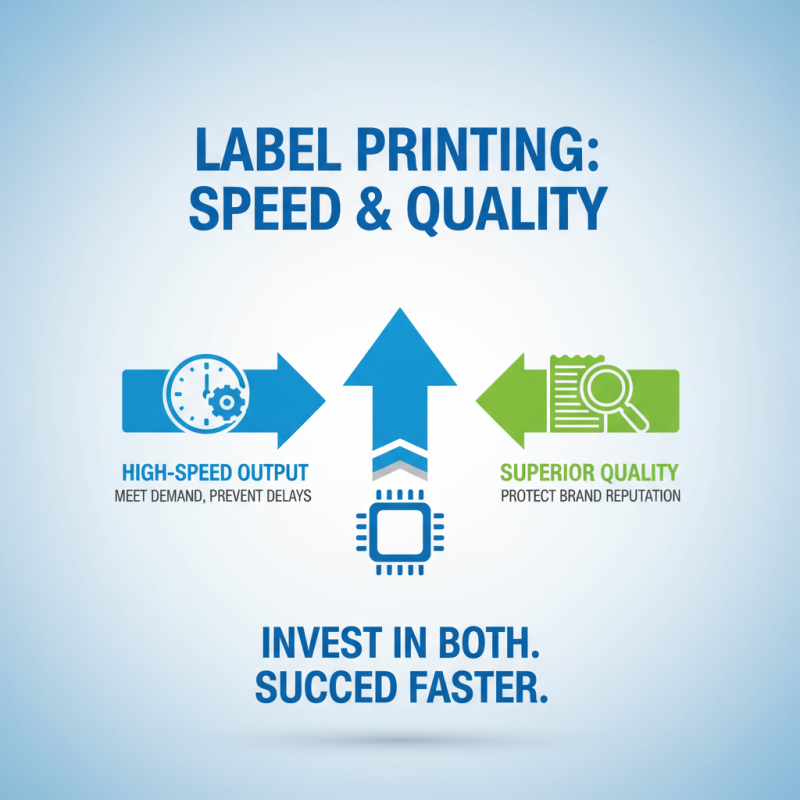
In the competitive landscape of label printing, print speed and quality remain paramount. Businesses must produce labels quickly to keep up with consumer demand. A delay in printing can lead to inventory issues and dissatisfied customers. Therefore, investing in a printer that offers high-speed output is essential. However, speed shouldn't come at the expense of quality. Poorly printed labels can harm brand reputation.
Quality in label printing impacts how products are perceived. Labels convey important information about the product. They serve as the first impression for consumers. If a label appears faded, blurry, or unprofessional, it reflects poorly on the brand. It can diminish customer trust. Finding a balance between speed and quality is crucial but also challenging. Some businesses may prioritize rapid production, risking the clarity and durability of their labels.
Achieving high-quality prints can be more complicated than it seems. Factors like ink quality, material type, and printer settings all play a role. Sometimes, businesses may overlook maintenance, leading to inconsistent results. Regular inspections and adjustments can greatly improve print outcomes. This can take time, but the benefits outweigh the effort in the long run. Making these considerations can significantly enhance the effectiveness of a business's labeling strategy.
Integration of Smart Technologies in Label Printers for Improved Efficiency
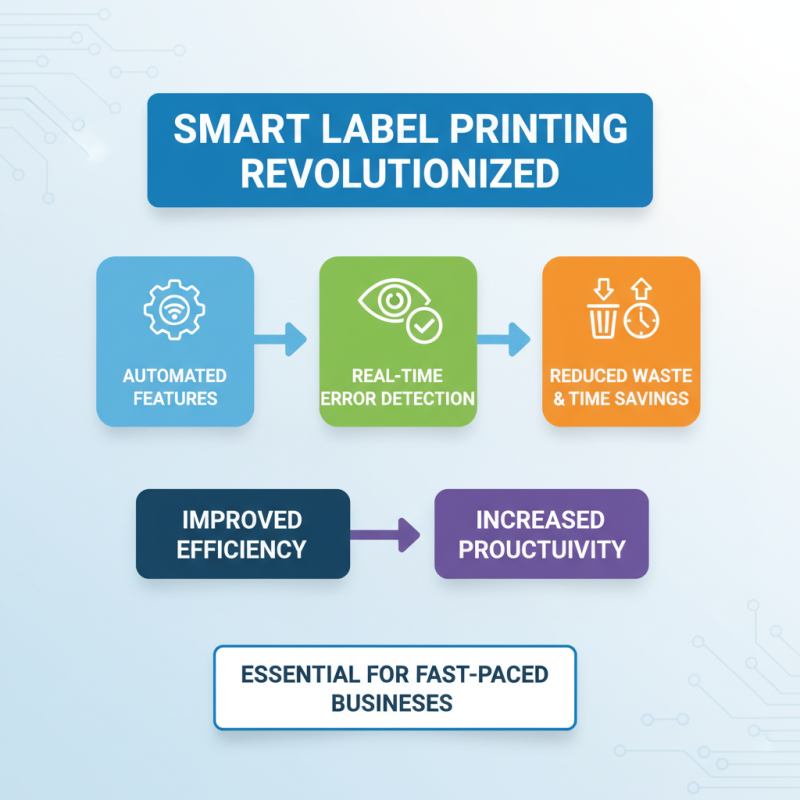
The integration of smart technologies into label printers is changing how businesses operate. These advancements lead to improved efficiency in labeling processes. Automated features, like real-time error detection, can save time and reduce waste. This is essential for maintaining productivity in fast-paced environments.
Consider these tips for your business. Look for printers that offer cloud connectivity. This allows for easy access to design and print labels from anywhere. Also, prioritize models with intuitive interfaces. These can minimize training time for your employees. Smart alert systems can notify you when supplies are low, ensuring you never run out unexpectedly.
It's also crucial to assess your specific needs. Not every feature will apply to every business. Some might find advanced scanning technologies useful, while others may not. The focus should be on what enhances your workflow. Reflect on how well current systems serve you. Are there gaps? Identifying these can help you choose the right smart printer for the future of your operations.
Cost-Effectiveness: Analyzing the ROI of Advanced Label Printers
In today's competitive market, cost-effectiveness is paramount when selecting advanced label printers. A recent industry report stated that businesses can expect an average ROI of up to 30% within two years of investing in modern printing technology. This number reflects improved efficiency and reduced material waste. However, not all printers deliver the same value. It's essential to analyze the specifications carefully.
Consider the initial investment versus long-term savings on ink, labels, and maintenance. A lower-priced option may seem attractive but can result in higher operational costs. For instance, some low-cost printers may use outdated technology that consumes more ink, impacting overall expenses. Moreover, they may lack durable features, leading to increased replacements and downtime.
Quality should not be underestimated. A printer with better print resolution may increase productivity and reduce human error in labeling. According to a 2023 survey, businesses that prioritize quality over initial costs report up to 40% better productivity. These factors influence your overall budget. It's crucial to find a balance between upfront costs and long-term benefits to maximize your investment effectively.
Sustainability Trends in Label Printing: Eco-Friendly Material and Usage
Sustainability is becoming essential in label printing. Companies are seeking eco-friendly materials to reduce their environmental impact. This trend reflects a growing awareness of sustainability in business practices. Many businesses are shifting to biodegradable or recyclable materials. Some are exploring plant-based inks that minimize harm. This approach promotes a healthier planet.
Here are some tips for embracing sustainability in label printing. Start by researching recycled materials for labels. Make sure the sources are credible. Consider investing in printers that use less energy. It can save costs long-term. Evaluate your existing label usage. Are there excessive waste areas? Look for ways to optimize this.
It's essential to reflect on your choices. Not every sustainable decision will fit your business needs perfectly. Some materials may not work as expected. This may lead to trial and error. Being patient and flexible is crucial in this transition. As the market evolves, stay updated on the latest sustainable practices. Your commitment to eco-friendliness can set your business apart.